Athletic performance is not solely determined by physical strength or skill—mental clarity, focus, and emotional regulation are equally crucial. Neurofeedback, a powerful tool used to optimize brain activity, has emerged as a game-changing technique for athletes looking to enhance their performance. By directly targeting brainwave patterns, neurofeedback provides athletes with a competitive edge, helping them unlock their full potential both mentally and physically.
What is Neurofeedback?
Neurofeedback is a non-invasive brain training technique that involves monitoring brainwave activity and providing real-time feedback to help individuals learn to regulate their brain function. By adjusting brain activity in specific areas, neurofeedback can improve focus, emotional regulation, cognitive clarity, and physical coordination—attributes essential for high-level athletic performance.
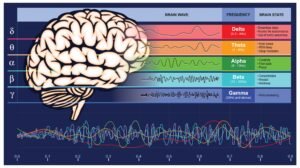
Neurofeedback works by training the brain to increase desirable brainwave patterns (such as alpha and beta waves) and decrease those associated with stress or distraction (such as theta and delta waves). This regulation leads to improved mental states and can help athletes achieve peak performance in their respective sports.
How Neurofeedback Enhances Athletic Performance
The mental demands of high-level athletics—intense focus, rapid decision-making, emotional control, and stress management—require specific brainwave patterns. Neurofeedback directly influences these brainwaves to promote the following:
1. Improved Focus and Concentration
Athletes need to maintain high levels of attention and focus for extended periods during training and competition. Neurofeedback can help train the brain to sustain focused attention by enhancing beta waves (the brainwaves associated with concentration and alertness). By reducing distractions and improving mental clarity, athletes can stay engaged during crucial moments.
2. Enhanced Stress Regulation
High-stress situations, such as critical moments in a game or competition, can impair cognitive function and physical performance. Neurofeedback helps athletes regulate their autonomic nervous system by promoting a balance between the sympathetic (fight or flight) and parasympathetic (rest and recover) nervous systems. This regulation improves the athlete’s ability to stay calm under pressure, making better decisions and executing skills more effectively.
3. Faster Mental Recovery
Physical fatigue can be overcome with rest, but mental fatigue requires more nuanced strategies. Neurofeedback supports quicker mental recovery by training the brain to shift from high-stress, high-focus states to relaxed, restorative states. This helps athletes maintain peak performance throughout their training regimen, reduce burnout, and perform consistently over time.
4. Optimized Cognitive Function and Decision-Making
In many sports, quick decision-making and reaction time are critical. Neurofeedback can optimize cognitive flexibility by enhancing the brain’s ability to switch between different states of focus and relaxation. This flexibility leads to faster decision-making and more accurate execution of skills in dynamic environments.
5. Improved Sleep Quality
Neurofeedback also aids in optimizing sleep patterns by promoting the brainwave activity necessary for deep, restorative sleep. Proper rest is vital for recovery and muscle growth, and improved sleep quality can enhance an athlete’s training and performance capacity. Neurofeedback helps reduce sleep disturbances related to stress and anxiety, ensuring athletes wake up refreshed and ready for the next challenge.
Neurofeedback’s Role in Mental Toughness and Emotional Regulation
Mental toughness is a critical attribute for athletes, influencing their ability to push through fatigue, maintain resilience after setbacks, and perform under pressure. Neurofeedback plays a pivotal role in building mental toughness by training the brain to remain in a state of heightened focus while also allowing the athlete to regulate emotions effectively.
By promoting brainwave patterns associated with calm yet focused mental states, neurofeedback enables athletes to remain emotionally steady in high-stress situations, mitigating feelings of anxiety, frustration, or fear.
Who Can Benefit from Neurofeedback?
Neurofeedback can benefit athletes across various sports, including:
- Endurance athletes: Enhanced mental stamina and focus for long events, better recovery, and sleep regulation.
- Team sports players: Improved focus, stress control, and emotional resilience in fast-paced, high-stakes environments.
- Power athletes (e.g., weightlifters): Enhanced concentration, mental clarity, and the ability to push through physical fatigue.
- Combat sports practitioners: Increased mental toughness, emotional regulation, and stress resilience under pressure.
- Golfers and precision athletes: Enhanced focus, calm, and improved decision-making during critical moments of performance.
Regardless of the sport, neurofeedback optimizes brain function, improving physical and mental capabilities simultaneously.
Neurofeedback for Sports Performance vs. Traditional Methods
Traditional athletic performance enhancement methods, such as strength training, skill drills, and physical conditioning, primarily focus on the body’s physical capabilities. While these are essential, they neglect the importance of mental clarity, emotional regulation, and brainwave optimization.
Neurofeedback goes beyond physical conditioning by directly training the brain to regulate mental states that influence performance. It empowers athletes to perform at their best not only physically but also mentally and emotionally. This holistic approach provides an advantage over conventional training methods by ensuring the brain is operating at peak efficiency, complementing the athlete’s physical preparation.
The Neurofeedback Training Process
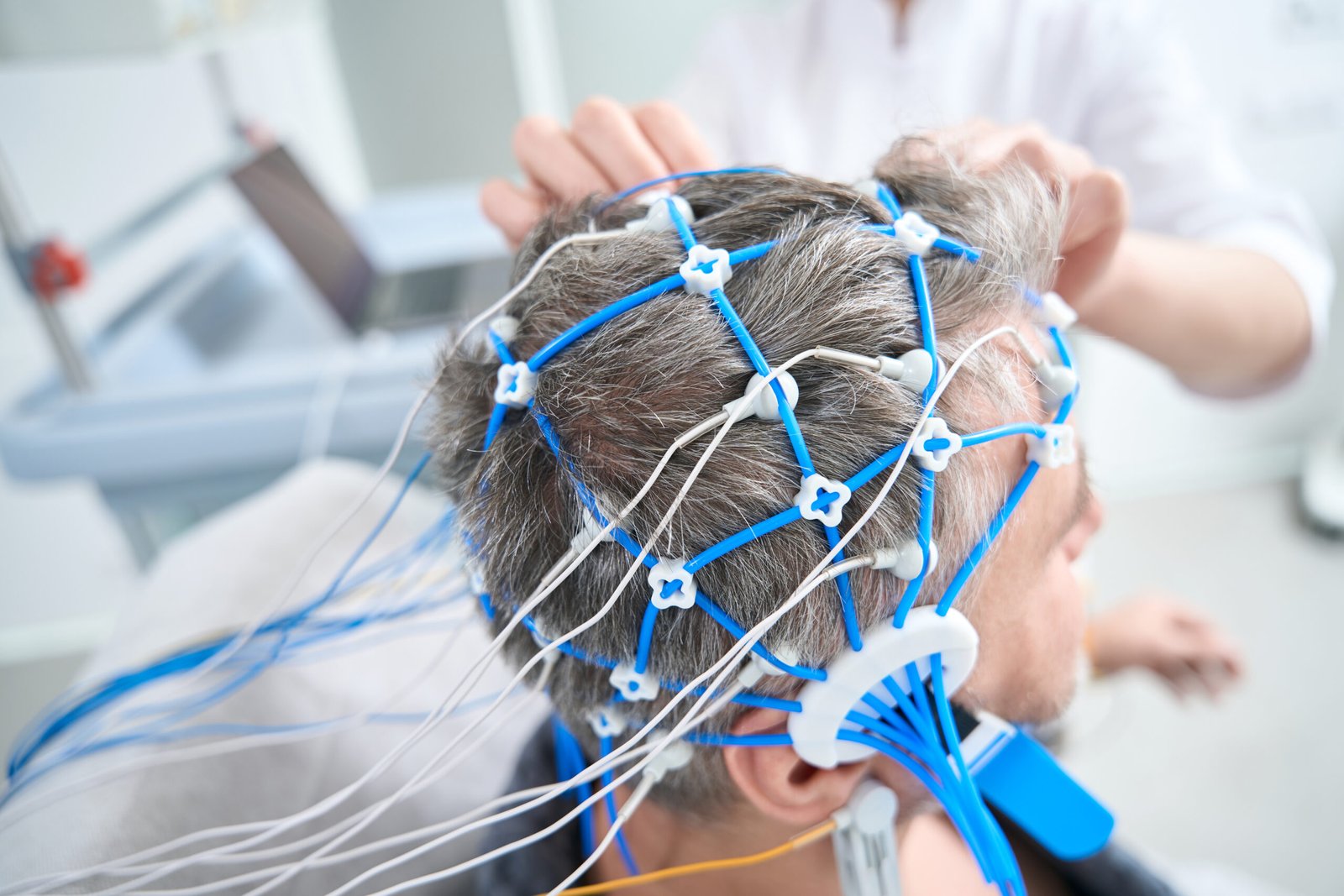
Neurofeedback training involves a series of sessions where athletes learn to regulate their brain activity in real-time. During each session, electrodes are placed on the scalp to measure brainwave patterns. Feedback is provided through visual or auditory cues to guide the athlete toward desired brainwave states.
A typical neurofeedback program may include:
- Assessment: Initial brain mapping to identify specific areas of improvement.
- Training: A series of training sessions that typically last between 30 to 45 minutes.
- Ongoing Monitoring: Regular sessions to track progress, refine training, and ensure that the athlete’s brain remains in an optimal state.
With consistent training, athletes can see measurable improvements in mental clarity, focus, relaxation, and overall performance.
Conclusion: Unlocking Peak Performance with Neurofeedback
Neurofeedback is transforming the way athletes train, providing a competitive edge by optimizing brain function. By improving focus, emotional regulation, recovery, and mental resilience, neurofeedback offers athletes a unique tool to enhance their performance both on and off the field. Whether you’re looking to sharpen your mental focus, reduce stress, or recover faster, neurofeedback can provide the cognitive advantage needed to succeed at the highest level.
At Optimum Peak Wellness, we offer personalized neurofeedback programs to help athletes unlock their full potential, ensuring they stay at the top of their game, mentally and physically.