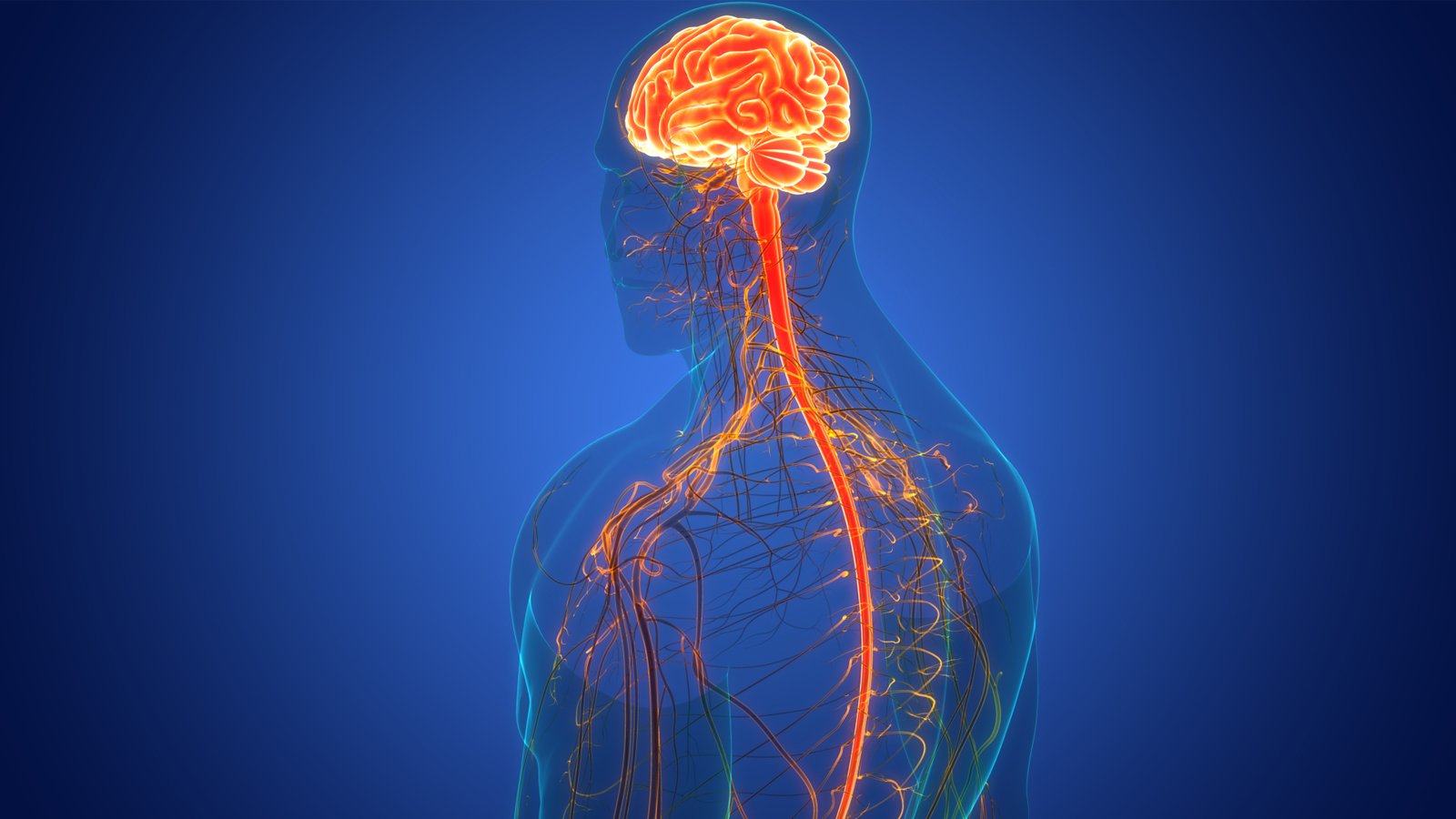
The modern lifestyle places persistent demands on the human nervous system. High workloads, digital overload, chronic stress, and sleep disruption create a physiological environment where many individuals operate in survival mode rather than optimal performance mode. Understanding the difference between nervous system regulation and suppression is essential for long-term cognitive, emotional, and physical resilience.
Executive Summary
- Suppression forces the body to override stress signals without resolving them.
- Regulation restores the nervous system to balance and adaptive functioning.
- Sustainable performance and health depend on regulation, not suppression.
This distinction has major implications for productivity, mental clarity, leadership effectiveness, and long-term wellbeing.
Nervous System Basics
The autonomic nervous system (ANS) governs automatic bodily functions such as heart rate, breathing, digestion, and stress responses. It has two primary branches:
| Branch | Function |
| Sympathetic Nervous System | Activates fight-or-flight response |
| Parasympathetic Nervous System | Promotes rest, recovery, and repair |
Healthy functioning requires fluid movement between these states. Chronic stress disrupts this flexibility.
The concept of adaptive nervous system balance is central to the Polyvagal Theory, introduced by Stephen Porges, which explains how safety and threat responses shape behavior, emotion, and cognition.
What Is Nervous System Suppression?
Suppression occurs when stress signals are overridden rather than resolved.
Common suppression strategies include:
- Ignoring fatigue and pushing through exhaustion
- Overreliance on caffeine or stimulants
- Emotional avoidance or numbing
- Chronic multitasking despite overload
- Working through burnout signals
From a performance perspective, suppression can create short-term output but long-term dysfunction.
Physiological Impact of Suppression
Chronic suppression keeps the body in prolonged sympathetic activation:
- Elevated cortisol levels
- Increased inflammation
- Impaired digestion and immune function
- Reduced cognitive flexibility
This state is often mistaken for productivity but is biologically unsustainable.
What Is Nervous System Regulation?
Regulation restores the body’s ability to transition smoothly between activation and recovery.
A regulated nervous system can:
- Activate during challenge
- Recover efficiently afterward
- Maintain emotional stability
- Sustain focus without burnout
Regulation does not eliminate stress; it improves the capacity to adapt to it.
Performance Implications
Cognitive Performance
Suppression reduces:
- Working memory
- Attention span
- Decision quality
Regulation enhances:
- Focus and sustained attention
- Creative problem-solving
- Strategic thinking
Emotional Stability
Suppression leads to:
- Irritability
- Emotional reactivity
- Burnout and disengagement
Regulation enables:
- Emotional resilience
- Composure under pressure
- Stronger interpersonal dynamics
Physical Health
Suppression contributes to:
- Sleep disruption
- Hormonal imbalance
- Chronic fatigue
Regulation supports:
- Recovery and repair
- Energy stability
- Long-term health resilience
Why High Performers Often Confuse Suppression With Discipline
Many professionals equate pushing through exhaustion with resilience. In reality:
| Suppression | Regulation |
| Push through fatigue | Restore energy capacity |
| Ignore stress signals | Process and resolve stress |
| Short-term productivity | Sustainable performance |
| Burnout risk | Resilience growth |
True discipline includes recovery and nervous system maintenance.
Signals of a Dysregulated Nervous System
Common indicators include:
- Difficulty concentrating
- Persistent fatigue despite rest
- Heightened anxiety or irritability
- Sleep disturbances
- Frequent overwhelm
- Reduced stress tolerance
These are not motivation problems—they are regulation problems.
Strategies to Promote Nervous System Regulation
Physiological Interventions
- Breathwork and controlled respiration
- Regular physical activity
- Sleep optimization
- Exposure to natural light
- Recovery-focused practices such as meditation
Behavioral Interventions
- Structured work-rest cycles
- Digital boundary setting
- Reduced multitasking
- Scheduled recovery periods
Organizational Implications
High-performing organizations increasingly:
- Design recovery-friendly workflows
- Encourage focused work blocks
- Reduce unnecessary meetings
- Promote sustainable performance models
Strategic Perspective
Sustained high performance requires nervous system regulation. Suppression produces diminishing returns, increasing risk of burnout, health decline, and poor decision-making.
Organizations and individuals that prioritize regulation create a durable competitive advantage through clarity, resilience, and consistent execution.
Conclusion
The distinction between regulation and suppression defines the difference between short-term output and long-term performance capacity. Building systems that support nervous system regulation is a strategic investment in productivity, leadership effectiveness, and long-term wellbeing.