Neurofeedback, often called brain training, is a revolutionary, non-invasive technique that empowers individuals to regulate their brain activity, ultimately enhancing mental performance and emotional regulation. While this cutting-edge tool has gained widespread use in optimizing wellness, its underlying science is even more intriguing. Understanding how neurofeedback works and why it matters is crucial for appreciating its profound impact on cognitive and emotional health.
What Is Neurofeedback?
Neurofeedback is a type of biofeedback that uses real-time monitoring of brainwave activity to help individuals learn how to self-regulate their brain function. By providing immediate feedback through visual or auditory cues, neurofeedback trains the brain to produce more balanced brainwave patterns, improving overall mental health, cognitive performance, and emotional regulation.
Neurofeedback is based on the principles of neuroplasticity—the brain’s ability to reorganize itself by forming new neural connections throughout life. With repeated practice, individuals can retrain their brain to optimize brainwave activity, improving everything from focus to emotional balance.
Brainwaves and Their Role in Neurofeedback
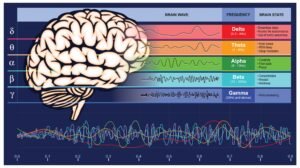
Brain activity can be classified into different frequency bands, each associated with specific cognitive and emotional states. These bands are measured in hertz (Hz) and include:
- Delta Waves (0.5–4 Hz): Present during deep sleep and restorative states. Excessive delta activity during waking hours can lead to fatigue and cognitive impairment.
- Theta Waves (4–8 Hz): Associated with relaxation, deep meditation, and light sleep. In excess, theta waves can cause daydreaming, distractibility, and lack of focus.
- Alpha Waves (8–12 Hz): Linked to calm, relaxed, yet focused states. Optimal alpha activity helps with mental clarity, creativity, and stress reduction.
- Beta Waves (12–30 Hz): Associated with active thinking, focus, and concentration. Excessive beta activity can lead to anxiety, stress, and overthinking.
- Gamma Waves (30–100 Hz): Found during high-level cognitive functioning, such as learning, memory recall, and information processing. Gamma waves are important for attention and cognitive performance.
Neurofeedback helps individuals optimize their brain’s production of these frequencies, training the brain to maintain the optimal levels for mental clarity, focus, and emotional regulation.
How Neurofeedback Works: The Process
Neurofeedback works through a closed-loop system. Here’s how it typically works:
1. Brainwave Measurement
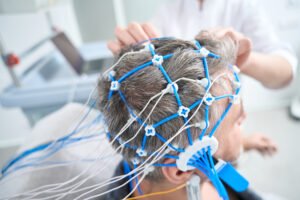
Small, non-invasive electrodes are placed on the scalp to measure brainwave activity. The EEG (electroencephalogram) records real-time electrical activity from different regions of the brain.
2. Real-Time Feedback
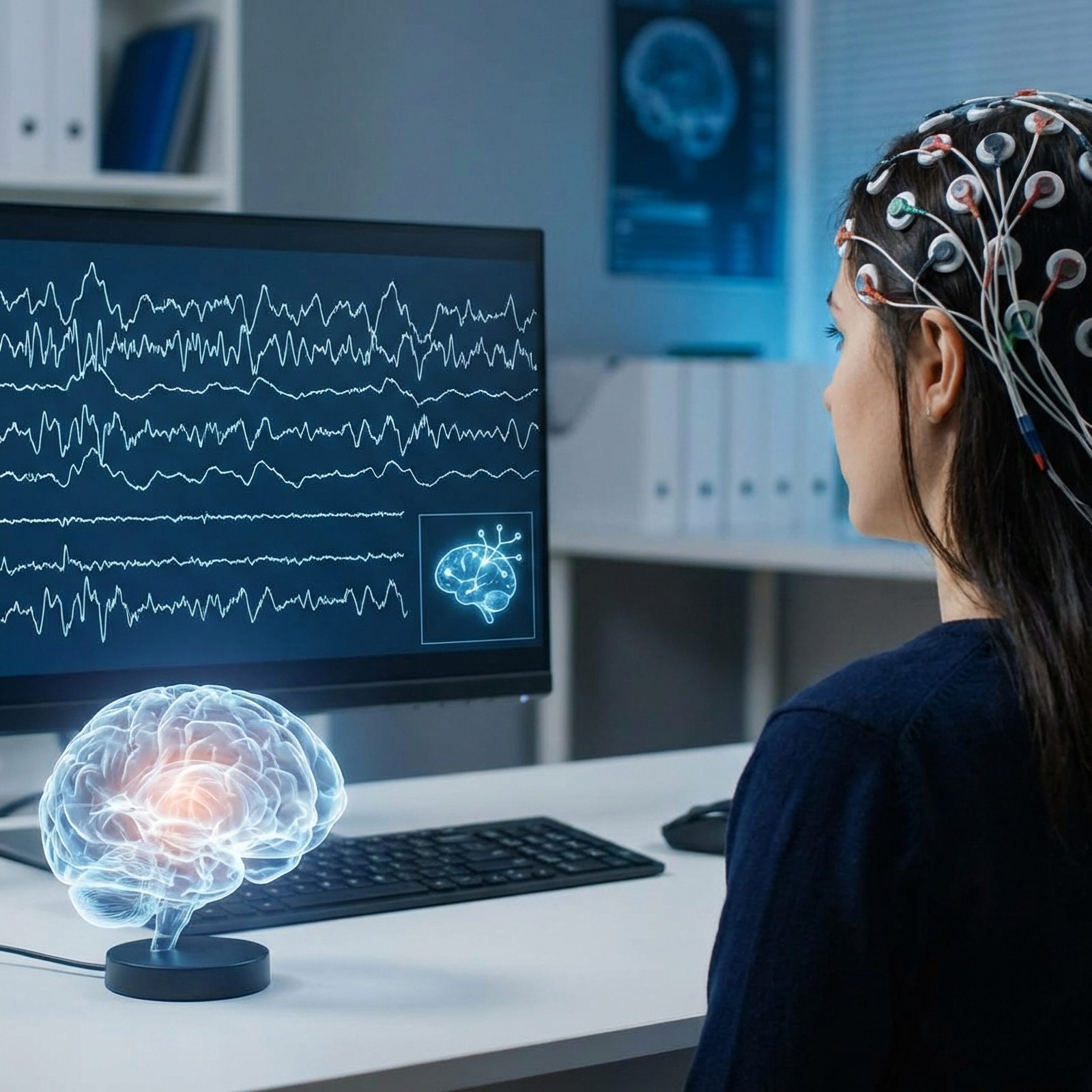
Once brainwaves are captured, the data is processed and displayed visually or audibly, often in the form of a video game, sound, or visual display. This feedback allows individuals to see how their brain activity aligns with desired brainwave patterns.
3. Learning to Self-Regulate
When the brain produces the desired brainwave activity, the feedback will reward it (e.g., the video game may advance or the music may become more harmonious). If the brain produces undesirable patterns, the feedback stops or becomes unpleasant, prompting the individual to adjust their brainwaves. Over time, the brain learns how to regulate its activity in a way that optimizes mental performance and emotional stability.
4. Reinforcement and Practice
With consistent practice, individuals train their brain to produce more of the desired brainwave activity naturally. This leads to sustained improvements in mental clarity, focus, relaxation, and emotional regulation.
Why Neurofeedback Matters: The Impact on Health
Neurofeedback’s potential to enhance brain function goes far beyond cognitive performance. Here’s why it matters:
1. Enhances Mental Performance
By optimizing brainwave patterns, neurofeedback boosts cognitive function, such as focus, memory, and information processing speed. This is particularly beneficial for individuals who need high levels of concentration, such as students, professionals, and athletes.
2. Improves Emotional Regulation
Neurofeedback can help reduce excessive emotional reactivity by promoting balance in the brain’s emotional regulation centers, particularly the prefrontal cortex and the amygdala. This leads to greater emotional stability, improved stress management, and a reduction in anxiety or mood disorders.
3. Promotes Neuroplasticity
Neuroplasticity is the brain’s ability to adapt and form new neural connections in response to experience. Neurofeedback taps into this ability by training the brain to make lasting changes that promote healthier, more efficient brain activity patterns.
4. Reduces Symptoms of Mental Health Disorders
Neurofeedback has been shown to be effective in managing and alleviating symptoms of several mental health conditions, including anxiety, depression, ADHD, PTSD, and insomnia. By regulating brainwaves associated with these conditions, neurofeedback helps individuals achieve a state of mental balance and emotional well-being.
5. Enhances Sleep Quality
Chronic sleep disorders, such as insomnia, often stem from irregular brainwave patterns. Neurofeedback can help train the brain to reach the optimal state for deep, restorative sleep, improving both sleep quality and duration without the need for medication.
6. Increases Resilience to Stress
By training the brain to manage stress more effectively, neurofeedback helps individuals cope with external pressures. Whether it’s reducing anxiety before a public speaking engagement or managing the demands of daily life, neurofeedback enhances stress resilience.
Applications of Neurofeedback
Neurofeedback is versatile, with applications across multiple areas of health and performance:
- Mental Health: Helping individuals with anxiety, depression, PTSD, and ADHD manage their symptoms.
- Cognitive Performance: Enhancing focus, memory, and overall cognitive function in students, professionals, and athletes.
- Emotional Balance: Supporting emotional regulation and mental clarity for improved well-being.
- Sleep Disorders: Addressing insomnia and other sleep-related issues by optimizing brainwave patterns.
- Recovery: Assisting in brain rehabilitation for those recovering from brain injuries or strokes by encouraging healthy neural patterns.
Conclusion: Unlocking the Power of the Brain
Neurofeedback is more than just a trend in brain health—it’s a scientifically backed approach to optimizing the brain’s natural function. By directly training brainwave activity, neurofeedback empowers individuals to enhance cognitive performance, emotional regulation, and overall wellness. Whether you’re seeking to improve focus, reduce stress, or manage mental health, neurofeedback offers a powerful tool for unlocking your brain’s full potential.
At Optimum Peak Wellness, we integrate neurofeedback into our holistic care approach, helping individuals achieve long-term cognitive and emotional wellness by training the brain to work at its best.