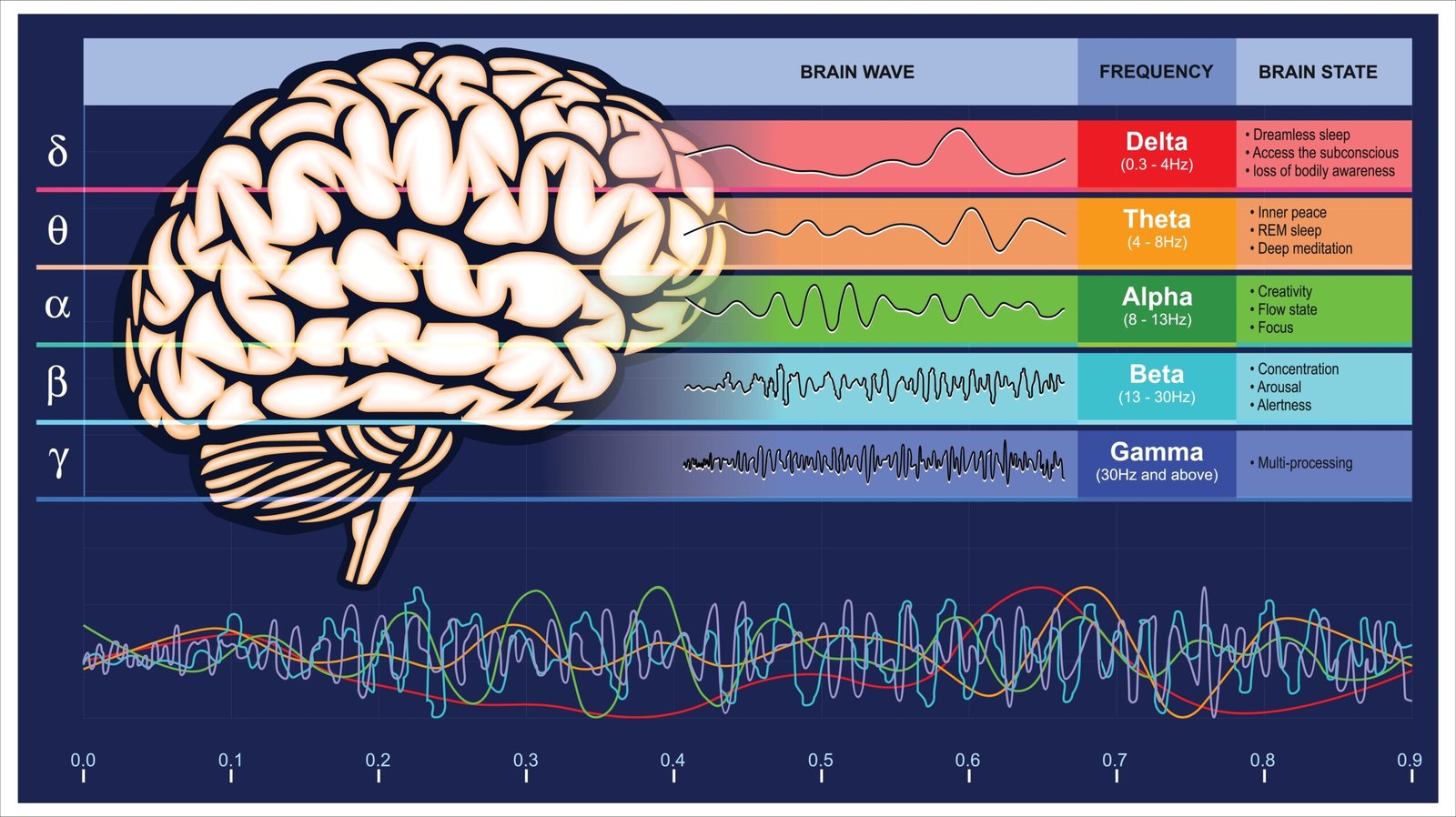
The Shift Toward Data-Driven Brain Optimization
Neurofeedback is transitioning from generalized brain training to a precision-based, data-driven model. Central to this shift is Quantitative Electroencephalography (QEEG)—a method that transforms brainwave activity into structured, analyzable data.
This approach aligns with broader developments in healthcare, where interventions are increasingly guided by individual biological markers rather than standardized protocols. In neurofeedback, this means moving away from uniform training methods toward targeted cognitive optimization based on measurable brain function.
Understanding QEEG: From Brainwaves to Actionable Data
QEEG is an advanced analytical extension of EEG that evaluates electrical activity across the brain and compares it against normative databases.
Key capabilities include:
- Mapping brainwave patterns across frequency bands (delta, theta, alpha, beta, gamma)
- Identifying areas of dysregulation, such as excess slow-wave activity or reduced high-frequency engagement
- Providing visual brain maps that guide intervention planning
According to the National Institutes of Health, EEG-based technologies offer measurable insight into brain function and are widely used in both clinical and research settings.
QEEG builds on this by adding quantitative comparison and pattern recognition, enabling more precise decision-making.
How QEEG Enhances Neurofeedback Precision
Traditional neurofeedback often applies standard protocols across individuals. In contrast, QEEG introduces a structured, individualized workflow:
1. Baseline Brain Mapping
A comprehensive QEEG assessment establishes a neural profile, identifying deviations from normative patterns.
2. Targeted Protocol Design
Specific brain regions and frequency bands are selected based on objective findings, not assumptions.
3. Real-Time Feedback Training
Patients receive immediate feedback (visual or auditory), allowing them to self-regulate brain activity.
4. Data-Driven Adjustments
Protocols evolve based on measurable progress, ensuring continuous optimization.
Research published in journals indexed by National Center for Biotechnology Information highlights that individualized EEG markers can improve neurofeedback targeting and outcomes.
Evidence and Clinical Context
The scientific foundation of neurofeedback continues to expand, particularly in areas where objective brain data improves intervention accuracy.
Cognitive Performance and Neuroplasticity
Studies indicate that neurofeedback can influence:
- Attention and executive function
- Working memory capacity
- Cognitive processing efficiency
Research indexed in PubMed suggests that neurofeedback may support neuroplasticity, enabling the brain to adapt through repeated training.
Clinical Applications
Neurofeedback has been studied in conditions such as:
- ADHD
- Anxiety and stress-related disorders
- Insomnia
- PTSD
Organizations like the American Academy of Neurology emphasize the importance of evidence-based application, noting that outcomes can vary depending on protocol quality and patient selection.
Limitations and Ongoing Research
- Variability in study design impacts consistency of results
- Standardization across protocols remains a challenge
- Long-term outcome data is still developing
The strategic implication is clear: precision and protocol design are critical to effectiveness.
Personalization as a Core Differentiator
QEEG-driven neurofeedback introduces a measurable advantage over traditional models:
- Individualized targeting instead of generalized training
- Objective progress tracking using repeatable metrics
- Adaptive protocols that evolve with patient response
This mirrors trends in precision medicine, where interventions are tailored using data-specific insights rather than population averages.
Expanding Beyond Treatment: Cognitive Optimization
Neurofeedback is increasingly positioned not only as a clinical tool, but also as a performance and optimization strategy.
Data-driven applications include:
- Enhancing focus and sustained attention
- Improving stress regulation and resilience
- Supporting decision-making and executive control
Emerging research suggests EEG-guided training can influence cognitive engagement and mental efficiency, particularly in high-performance environments.
The Role of Advanced Analytics and AI
The next phase of neurofeedback is being shaped by advancements in computational analysis:
- Machine learning models interpreting EEG patterns
- Integration with multimodal data sources for deeper insights
- Real-time adaptive systems that refine training parameters
These developments aim to improve:
- Accuracy of brain mapping
- Consistency of outcomes
- Scalability of personalized protocols
Strategic Perspective
QEEG-driven neurofeedback represents a meaningful progression toward data-informed cognitive care. Its value is grounded in:
- Translating brain activity into objective, actionable insights
- Enabling targeted and adaptive interventions
- Supporting both clinical outcomes and cognitive performance
As the field advances, the defining factor will not be access to neurofeedback, but the precision with which data is used to guide it.
References
- National Institutes of Health – EEG and brain function research
- National Center for Biotechnology Information – Neurofeedback and EEG studies
- PubMed – Peer-reviewed clinical research
- American Academy of Neurology – Clinical guidelines and evidence reviews