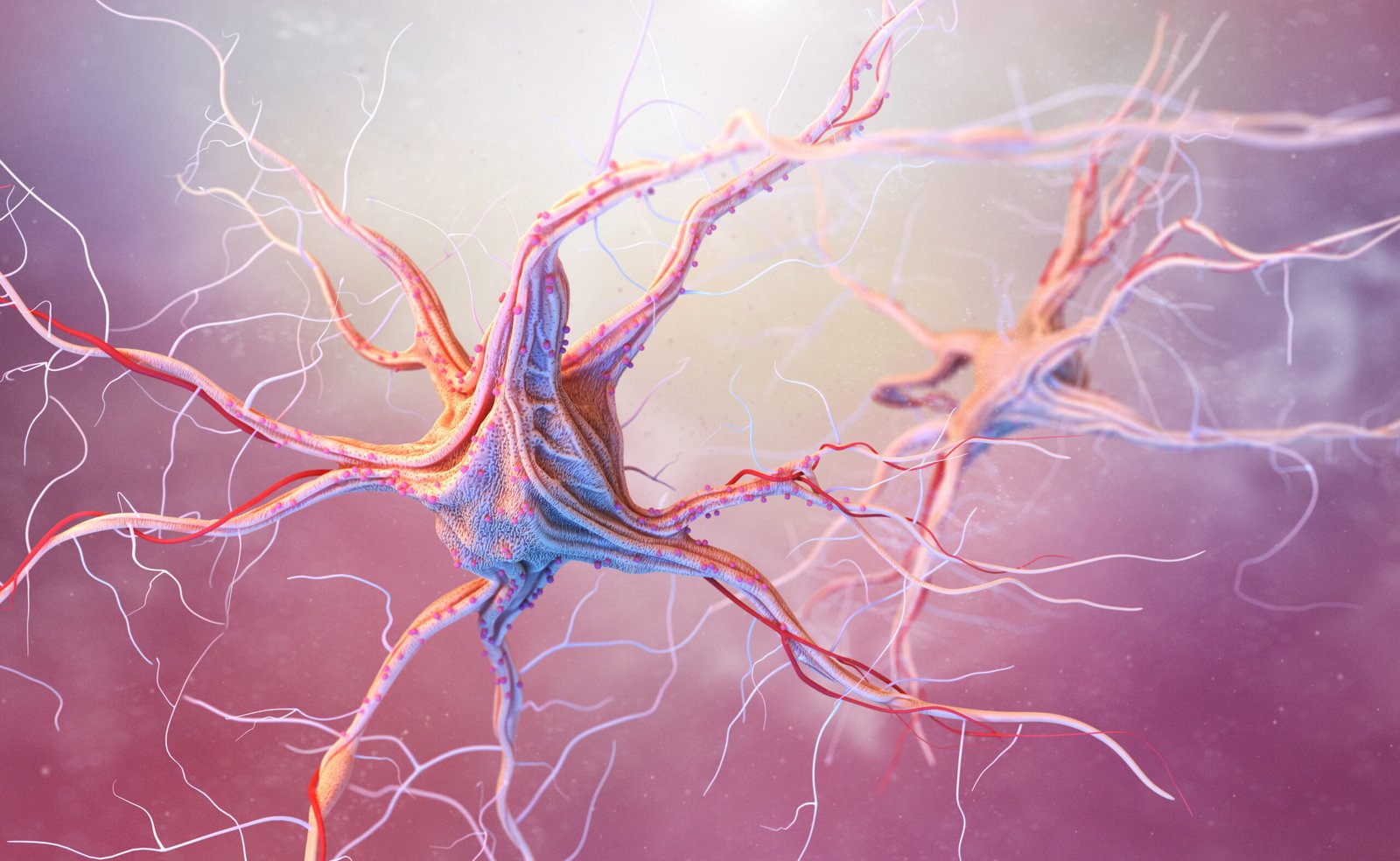
Neuroplasticity—the brain’s remarkable ability to reorganize and form new neural connections—lies at the heart of long-term wellness. It is not only crucial for recovery after injury but also for optimizing cognitive function, emotional regulation, and overall resilience throughout life. Neuroplasticity enables the brain to adapt, learn, and heal, driving lasting improvements in mental, emotional, and physical health.
What is Neuroplasticity?
Neuroplasticity is the process by which the brain reorganizes itself by forming new neural pathways and synaptic connections. It allows the brain to adapt to new experiences, recover from injury, and optimize performance over time. Neuroplasticity is most active during early life but continues throughout adulthood, albeit at a slower rate.
However, the brain’s ability to change is influenced by external factors such as stress, lifestyle, and cognitive engagement.
The Brain’s Role in Wellness
Wellness is not just the absence of illness—it’s a dynamic state of balanced brain and body function. The brain governs not only cognition but also emotional regulation, stress response, memory, and physical health through its influence on the autonomic nervous system and the endocrine system.
Neuroplasticity underpins all aspects of wellness by enabling:
- Cognitive resilience: Adapting to new challenges, learning efficiently, and improving focus.
- Emotional regulation: Developing healthier responses to stress and negative emotions.
- Physical health: Supporting recovery from physical injuries by creating alternative neural pathways for motor function or pain management.
Neuroplasticity in Aging: Enhancing Cognitive Resilience
As we age, cognitive functions such as memory, attention, and problem-solving tend to decline. However, neuroplasticity offers a buffer. The brain can reorganize itself to compensate for losses in brain tissue or function, particularly when proactively stimulated by activities that promote brain health, such as:
- Cognitive exercises: Learning new skills, puzzles, or languages.
- Physical activity: Exercise promotes brain-derived neurotrophic factor (BDNF), which supports neuron growth and plasticity.
- Mindfulness and meditation: These practices enhance emotional regulation and neural adaptability, contributing to mental clarity and emotional resilience.
Fostering neuroplasticity through these activities can help mitigate cognitive decline and enhance the brain’s adaptability over time.
Emotional Wellness and Neuroplasticity
The brain’s emotional regulation centers, particularly the prefrontal cortex and amygdala, benefit from neuroplastic changes. Chronic stress or negative emotions can create rigid patterns of thought, contributing to anxiety, depression, and poor mental health. Through neuroplasticity, the brain can “rewire” itself to develop healthier coping mechanisms, such as:
- Cognitive-behavioral strategies: These therapies encourage new thought patterns that reduce emotional reactivity.
- Neurofeedback: By monitoring and modifying brain activity, neurofeedback promotes more balanced emotional regulation.
- Mindfulness practices: These help to strengthen neural pathways related to self-awareness and emotional control.
By cultivating positive neural pathways, individuals can foster emotional stability and reduce the risk of stress-related mental health issues.
Neuroplasticity in Recovery: Building Resilience
Whether recovering from a traumatic injury, neurological condition, or long-term mental health challenge, neuroplasticity is critical in the healing process. The brain can form new connections to compensate for damaged areas, improving recovery time and long-term function. This ability is central to:
- Physical rehabilitation: After stroke or injury, the brain can form new pathways to restore motor skills or compensate for lost abilities.
- Mental health recovery: For individuals overcoming depression, PTSD, or anxiety, neuroplasticity supports the rewiring of negative thought patterns and emotional responses.
Incorporating therapeutic practices, such as neurofeedback, cognitive training, and psychotherapies, accelerates the healing process and promotes long-term resilience.
The Impact of Lifestyle on Neuroplasticity
Neuroplasticity is influenced by daily habits and lifestyle choices. Several key factors enhance or hinder the brain’s ability to reorganize and heal:
- Sleep: Quality sleep is critical for the brain’s plasticity, as it facilitates memory consolidation and neural growth.
- Diet: Nutrient-dense foods rich in antioxidants, omega-3 fatty acids, and vitamins support neurogenesis and plasticity.
- Social connection: Positive social interactions stimulate brain regions related to emotion and cognition, enhancing neuroplasticity.
- Chronic stress management: Reducing chronic stress through relaxation techniques, exercise, and emotional regulation fosters a more adaptable and resilient brain.
By prioritizing these lifestyle factors, individuals can significantly enhance their brain’s ability to adapt and thrive over time.
Strategic Takeaway: Optimizing Wellness with Neuroplasticity
Long-term wellness is not only about mitigating illness; it is about proactively strengthening and optimizing brain function. By fostering neuroplasticity, individuals can build cognitive resilience, improve emotional regulation, and recover from both physical and mental challenges more effectively.
At Optimum Peak Wellness, we integrate neuroplasticity-driven strategies to optimize cognitive, emotional, and physical wellness. By combining cutting-edge neuroscience with holistic care, we help individuals cultivate long-term resilience, leading to sustained wellness at every stage of life.
Executive Takeaway
Neuroplasticity is the brain’s most powerful tool for long-term wellness. By harnessing its potential, individuals can improve cognitive function, emotional resilience, and recovery capacity, making it a cornerstone of health optimization. Through proactive intervention and lifestyle alignment, neuroplasticity can ensure sustained mental and physical vitality well into the future.